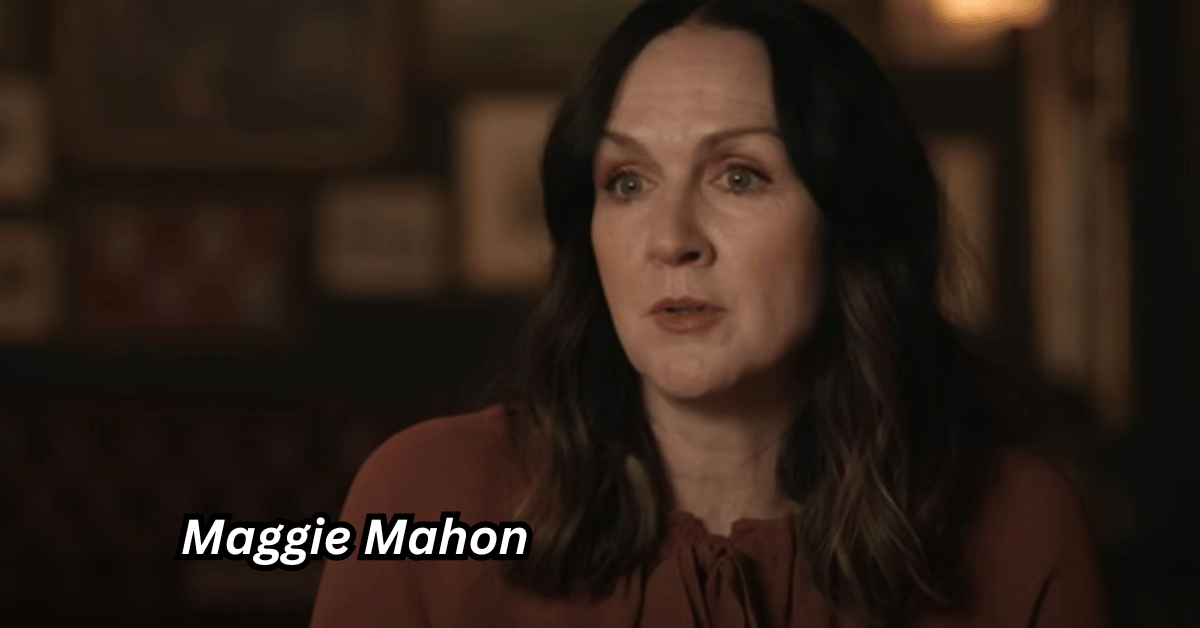
Maggie Mahon is an American journalist known for her in-depth reporting, investigative storytelling, and clear-eyed coverage of complex social and political issues. Over the years, she has built a reputation for thoughtful journalism that prioritizes context, human impact, and factual accuracy. Rather than chasing headlines for attention, Maggie Mahon focuses on explaining why stories matter and how they affect real people. Her work reflects the evolving nature of modern journalism, where trust, nuance, and long-form reporting play an increasingly important role. This complete guide explores her background, career path, reporting focus, professional values, and broader influence within contemporary media.
Biography Table
| Detail | Information |
|---|---|
| Full Name | Maggie Mahon |
| Nationality | American |
| Profession | Journalist, Correspondent |
| Known For | Investigative and long-form reporting |
| Media Work | Television and digital journalism |
| Reporting Focus | Social issues, politics, extremism, media narratives |
| Active Years | 2010s–present |
Early Life and Personal Background
Maggie Mahon’s early life helped shape her interest in storytelling and public affairs. Growing up in the United States, she was exposed to a diverse media environment where journalism played a central role in shaping public understanding. From an early age, she demonstrated curiosity about how information is gathered, framed, and shared with audiences. This curiosity eventually developed into a desire to pursue journalism as a profession rather than simply consuming news as a reader or viewer.
Her background contributed to a strong sense of social awareness. Like many journalists, she became interested not only in events themselves but in the systems, institutions, and power dynamics behind them. This perspective encouraged her to look beyond surface-level narratives and seek deeper explanations. These early influences later became visible in her reporting style, which emphasizes context and accountability.
Personal values such as fairness, accuracy, and empathy also played a role in shaping her professional approach. Rather than focusing on sensationalism, she developed a reporting voice grounded in responsibility and respect for the audience.
Education and Path Into Journalism
Maggie Mahon’s path into journalism reflects a commitment to learning the craft through both formal education and hands-on experience. Journalism education often combines writing, research, ethics, and media law, all of which are essential for responsible reporting. Her training helped her develop the foundational skills necessary to navigate fast-moving news environments while maintaining accuracy.
Beyond academic preparation, her development as a journalist was shaped by real-world reporting experiences. Early career opportunities allowed her to work closely with editors, producers, and fellow reporters, learning how stories are researched, verified, and presented. These experiences are critical for building confidence and professional judgment.
Her path into journalism highlights the importance of persistence and adaptability. Modern journalism requires not only strong writing skills but also the ability to work across platforms, respond to breaking news, and engage audiences thoughtfully.
Entry Into Professional Media Work
Maggie Mahon began her professional media career during a period of significant change in journalism. Digital platforms were reshaping how news was consumed, and audiences increasingly sought deeper, more explanatory reporting. This environment provided opportunities for journalists willing to embrace new formats and storytelling methods.
Her early work involved covering complex topics that required careful research and ethical consideration. These assignments helped her build credibility as a reporter capable of handling sensitive subjects. Rather than avoiding difficult stories, she leaned into them, focusing on clarity and accuracy.
This phase of her career laid the groundwork for her later success. By consistently delivering well-researched and balanced reporting, she established herself as a journalist audiences could trust.
Work as a Correspondent and Reporter
As her career progressed, Maggie Mahon became known for her role as a correspondent and reporter. In this capacity, she contributed to television and digital journalism, bringing stories to life through interviews, field reporting, and narrative structure. Correspondent work requires versatility, as journalists must adapt quickly to different topics and environments.
Her reporting often focuses on issues with significant social impact. By spending time on the ground and engaging directly with sources, she adds depth and authenticity to her work. This approach allows audiences to better understand not just what is happening, but why it matters.
Her role as a correspondent demonstrates her ability to balance journalistic rigor with compelling storytelling, a skill that is increasingly valuable in today’s media landscape.
Reporting Focus and Core Themes
Maggie Mahon’s reporting covers a range of topics, but several core themes consistently appear in her work. These include social justice, political movements, extremism, and the spread of information in digital spaces. Her stories often examine how individuals and communities are affected by broader political and cultural forces.
She approaches these themes with a focus on human impact rather than abstract ideology. This perspective helps audiences connect emotionally while still receiving accurate information. By highlighting real experiences, she avoids reducing complex issues to simplistic narratives.
Her thematic focus reflects a broader trend in journalism toward explanatory and solutions-oriented reporting, which aims to inform rather than inflame.
Investigative Journalism and Research Approach
Investigative journalism plays an important role in Maggie Mahon’s work. Investigative reporting requires patience, attention to detail, and a strong commitment to verification. Her approach involves thorough research, careful sourcing, and an emphasis on evidence-based conclusions.
Rather than relying on speculation, she builds stories around documented facts and firsthand accounts. This method strengthens credibility and protects journalistic integrity. Investigative work also involves ethical considerations, especially when reporting on sensitive topics.
Her research-driven approach reinforces the importance of journalism as a public service, holding institutions accountable and providing clarity in complex situations.
Storytelling Style and Communication Strengths
Maggie Mahon’s storytelling style is marked by clarity, balance, and accessibility. She avoids unnecessary jargon, making complex issues understandable to a broad audience. This communication strength is especially important in television and digital reporting, where attention spans are limited.
Her narratives are structured to guide viewers logically through each story. By providing background information and context, she ensures that audiences can follow along without prior knowledge of the topic.
This style reflects respect for the audience and a commitment to informed discourse rather than emotional manipulation.
Role in Modern Digital Journalism
Modern journalism exists across multiple platforms, and Maggie Mahon has adapted effectively to this environment. Digital journalism requires flexibility, as stories may appear in video, written, and social formats simultaneously. Her work demonstrates an understanding of how audiences engage with content online.
She uses digital platforms to extend the reach of her reporting, ensuring stories are accessible beyond traditional broadcasts. This adaptability helps her remain relevant in a rapidly changing media landscape.
Her role in digital journalism highlights how reporters must now think not only as writers but also as multimedia communicators.
Ethical Standards and Professional Integrity
Ethics are central to Maggie Mahon’s journalism. Reporting on sensitive topics demands careful consideration of accuracy, fairness, and potential harm. Her work reflects adherence to professional standards that prioritize truth and responsibility.
She avoids sensationalism, focusing instead on verified information and balanced perspectives. This approach builds trust with audiences and sources alike. Ethical journalism is especially important in an era of misinformation and polarization.
Her commitment to integrity strengthens her credibility and reinforces journalism’s role as a reliable source of information.
Audience Trust and Credibility
Trust is one of the most valuable assets a journalist can have, and Maggie Mahon has earned it through consistent, careful reporting. Audiences respond positively to journalists who demonstrate transparency and accountability.
By explaining context and acknowledging complexity, she avoids oversimplification. This honesty resonates with viewers seeking depth rather than soundbites.
Her credibility is built over time through repeated demonstrations of accuracy and fairness.
Challenges Faced in Journalism
Like many journalists, Maggie Mahon faces challenges related to misinformation, public skepticism, and the pressures of a fast-paced news cycle. Reporting accurately while competing for attention requires discipline and resilience.
Covering controversial topics can also invite criticism from multiple sides. Navigating these challenges demands confidence in one’s work and adherence to journalistic principles.
Her ability to continue producing thoughtful reporting despite these pressures reflects professional maturity and dedication.
Influence on Public Understanding
Maggie Mahon’s work contributes to public understanding by clarifying complex issues and providing reliable information. Journalism plays a key role in shaping informed citizens, and her reporting supports this function.
By focusing on explanation rather than outrage, she encourages critical thinking and reflection. This influence extends beyond individual stories to broader media literacy.
Her impact lies in helping audiences see the bigger picture.
Collaboration and Media Environment
Journalism is often collaborative, involving producers, editors, and researchers. Maggie Mahon works within these teams to ensure high-quality reporting. Collaboration enhances accuracy and storytelling depth.
Working in a media environment also requires adaptability and communication skills. Her ability to collaborate effectively supports consistent output and professional growth.
This teamwork-oriented approach strengthens overall journalistic quality.
Broader Impact on Journalism Culture
Maggie Mahon represents a generation of journalists committed to substance over spectacle. Her work reflects a shift toward explanatory and investigative reporting in response to audience demand for trustworthy information.
By maintaining high standards, she contributes to rebuilding trust in media. Her career illustrates how journalism can evolve while remaining grounded in core values.
This broader impact extends beyond individual stories to the culture of news itself.
Defining Characteristics of Maggie Mahon’s Career
Several characteristics define Maggie Mahon’s professional journey:
- Commitment to investigative and explanatory journalism
- Focus on social and political issues with real-world impact
- Clear and accessible communication style
- Strong ethical standards and credibility
- Adaptability to digital and multimedia platforms
These traits explain her respected position within modern media.
Conclusion
Maggie Mahon stands out as a journalist dedicated to clarity, accuracy, and meaningful storytelling. Through investigative reporting and thoughtful analysis, she helps audiences navigate complex social and political landscapes. Her work reflects the evolving role of journalism in a digital age, where trust and depth matter more than ever. By prioritizing integrity and public understanding, Maggie Mahon continues to make a valuable contribution to contemporary media.
FAQs
Who is Maggie Mahon
Maggie Mahon is an American journalist known for investigative and long-form reporting on social and political issues.
What type of journalism does Maggie Mahon do
She focuses on investigative, explanatory, and correspondent-style journalism.
What topics does Maggie Mahon cover
Her work includes social issues, politics, extremism, and media narratives.
Is Maggie Mahon a television journalist
Yes, she has worked as a correspondent in television and digital media.
Why is Maggie Mahon respected in journalism
She is respected for her accuracy, ethical standards, and clear storytelling.
Dive into more interesting reads and features at Charleston White